

Translating Neuroscience into Police Academy Training
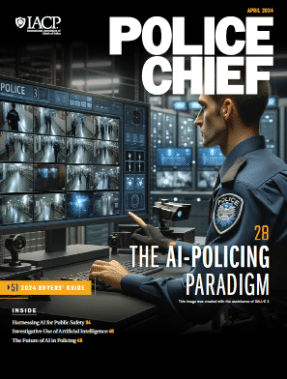
IACP Magazine
How agencies are using body-worn camera scenarios and decision-based training to better prepare recruits for real-world encounters. This feature explores how cognitive science and realistic video training can improve both decision accuracy and response speed in academy settings.
Identifying and Addressing Cadet Decision-Making Gaps from the Academy to Field Training: A Longitudinal Case Study Using Scenario-Based Analytics
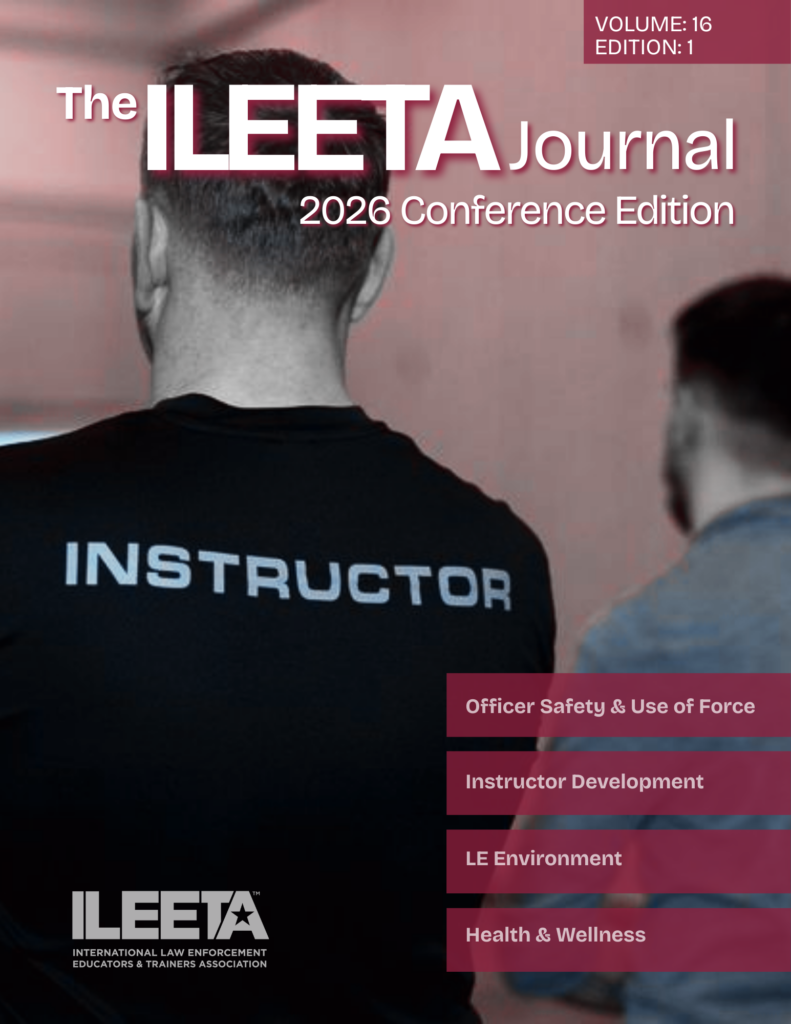
ILEETA Magazine
Using performance data, instructors identify a specific decision-making gap in one cadet and apply targeted follow-up training. The result shows how scenario-based analytics can support more precise and effective remediation (Pages 88-91)
Improving Decision Making In Law Enforcement
New York’s Finest: Retired and Unfiltered
On this episode of New York’s Finest : Retired & Unfiltered Podcast John & Eric sit down with the CEO of deCervo, Ph.D, Jason Sherwin to discuss how his company is helping to improve decision making in high stakes environments.
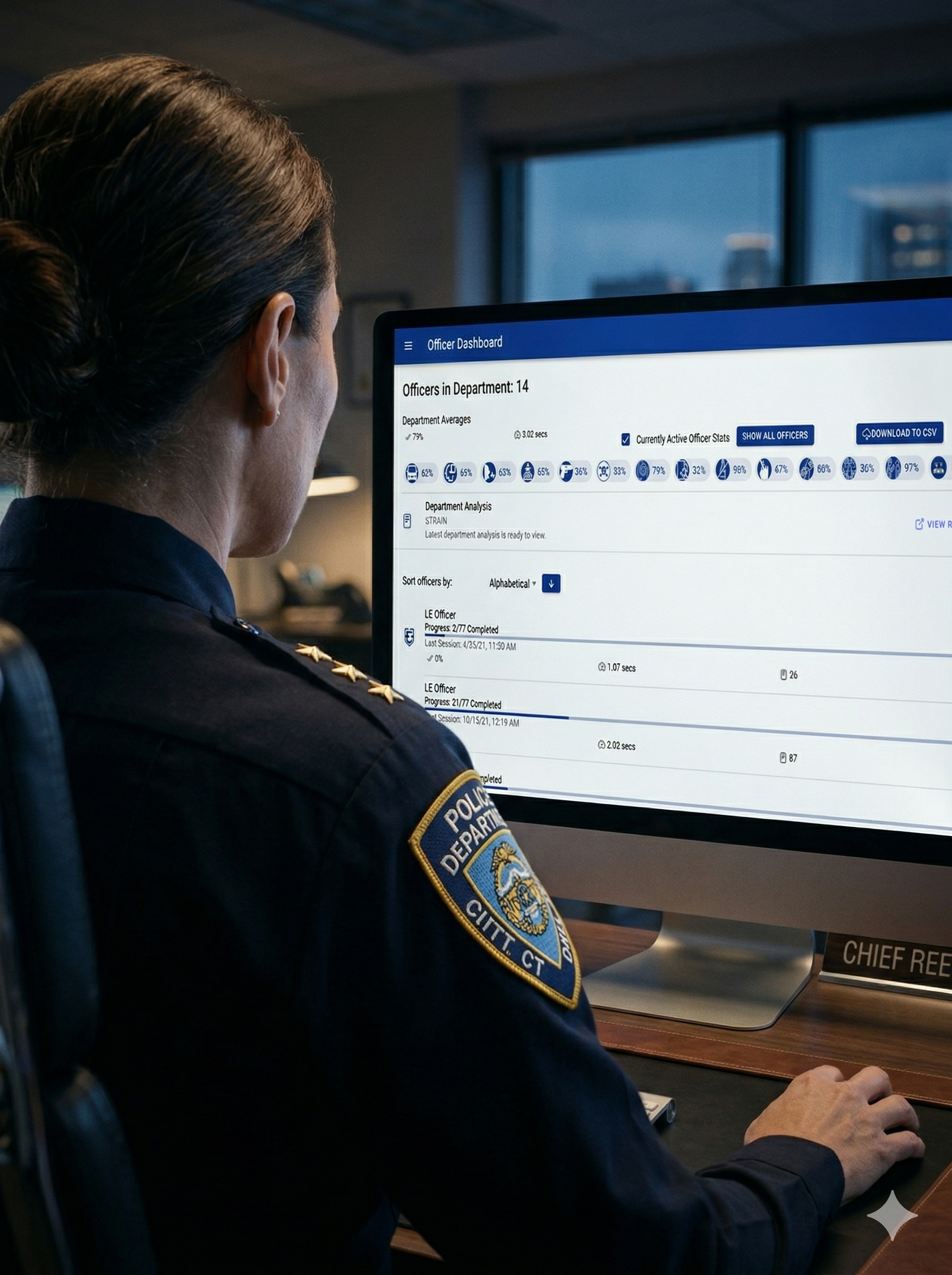
Enhancing Police Cadet Training with eTRAIN
eTRAIN Case Study
A police academy integrates eTRAIN into its curriculum, assigning scenario-based training alongside classroom instruction. Cadets demonstrate strong decision accuracy and measurable improvement in response time over the course of training.
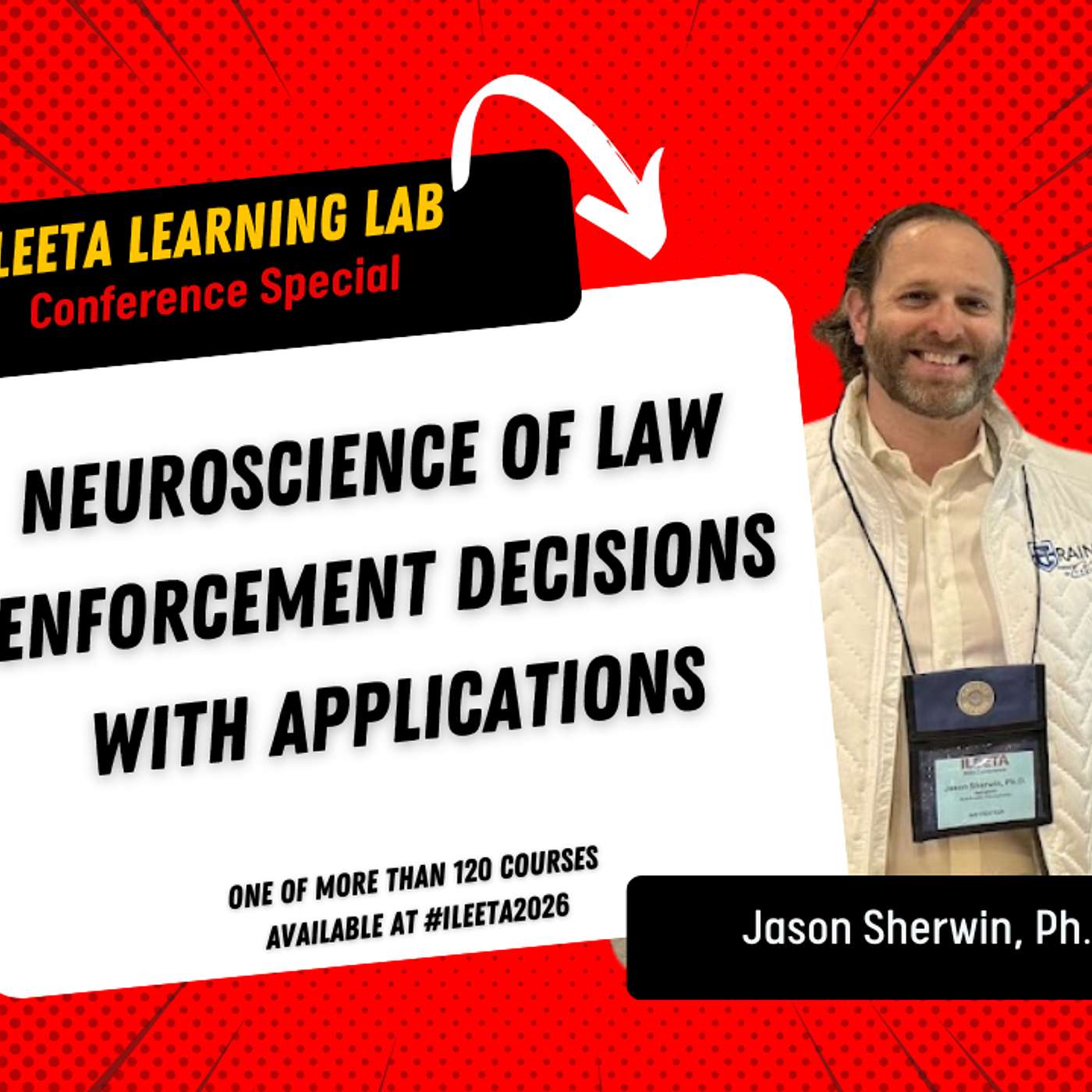
Neuroscience of Law Enforcement Decisions with Applications (Jason Sherwin)
ILEETA Learning Lab
Drawing from peer-reviewed research on perceptual decisions, the conversation explores the distinction between “thinking fast” (intuitive, high-speed responses driven by visual cortex and basal ganglia pathways) and “thinking slow” (deliberate analysis via prefrontal regions), and why policing uniquely requires both.